
Can the store experience keep pace with AI?

In-StoreNewsSponsored

As AI reshapes shopper expectations, physical retail’s opportunity isn’t to add technology for its own sake, but to make every interaction more useful, connected and human…

Retail has never lacked new technologies promising to transform the store. The harder question is what any of them change for the person walking through the door.

Shoppers do not experience a retailer as a collection of channels, systems or devices. They experience a visit: finding what they came for, getting advice when they need it, discovering something unexpected, and moving between different parts of the journey without friction.

That makes the store’s digital evolution less about adding more touchpoints and more about making the ones that matter work together.

Start with the moment that matters

A digital interaction earns its place when it helps a shopper do something: find a product, understand a choice, access relevant information, or get assistance without having to search for it.

The same principle applies behind the scenes. A store team member should focus on helping customers, not compensating for disconnected tools or outdated information. They should be able to adapt an experience to local needs without undermining the retailer’s wider standards.

These are practical expectations, but they are also strategic ones. When digital touchpoints support a store’s real rhythm, they can make the experience feel more considered and the operation easier to manage.

AI should make the experience more relevant

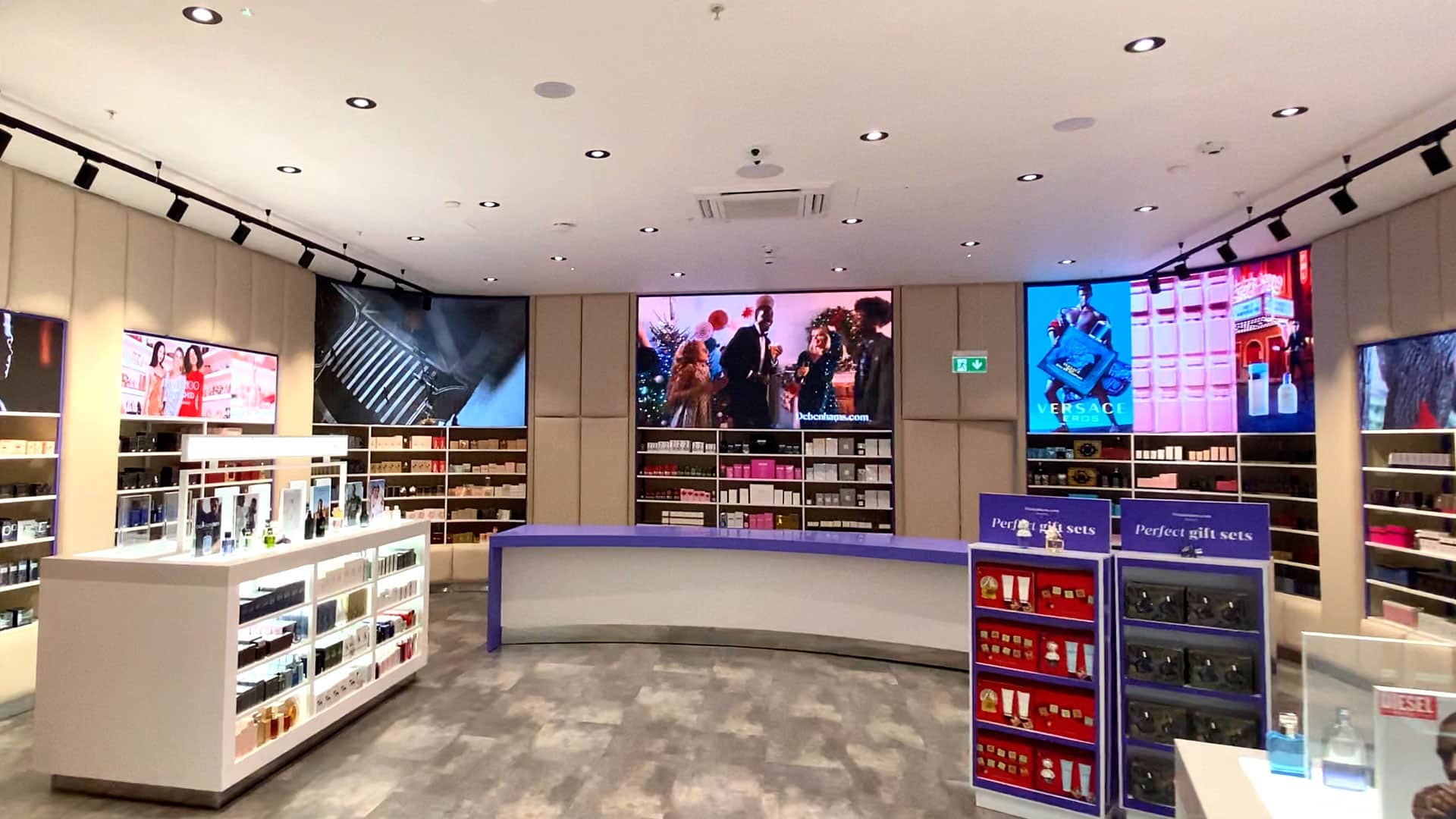
AI adds new possibilities to this picture, from helping teams adapt content and respond to changing conditions to making information more relevant to a shopper’s needs. But its value depends on how well it fits into the surrounding experience.

Retailers do not need to make every interaction intelligent. They need to identify where intelligence can remove friction, improve relevance, or help colleagues make better decisions, and where a straightforward, familiar experience is still best.

That calls for a grounded approach. Begin with a shopper or operational need, then ask whether AI can address it reliably and responsibly. Consider what information it depends on, how the result will be checked, and what happens when a person wants help. The goal is not to make technology more visible. It is to make the experience work better.

Connect the moments, not just the systems

A shopper might discover a product online, seek reassurance in-store and complete their purchase later. Retailers have invested in connecting these journeys, yet the physical store can still feel like a collection of separate moments.

A more joined-up experience does not mean every interaction has to be personalised or automated. It means the information and services a retailer provides should feel coherent: accurate, timely and appropriate to the context. It means a promotion, product detail or service offer should support the visit rather than interrupt it.

This is also where operational complexity can undermine good intentions. Experiences must work across different store formats, locations, teams, and technologies. Retailers need ways to maintain consistency while giving local teams room to respond to their customers. That requires clear ownership, practical workflows, and technology that connects with the systems already in place.

Design for the store people run

The best in-store experiences are not created by technology alone. They depend on understanding how stores operate: the pressures on colleagues, differences between locations, and the moments when shoppers need information or support.

That is why retailers benefit from working with specialist partners who understand both the experience they want to create and the realities of delivering it across an estate. The right partner can translate ambition into something that can be implemented, managed, and improved over time.

Scala works through partners who know retailers’ needs and deliver solutions on the ground. Our role is to equip those partners to shape and deliver digital in-store experiences that work for store teams and shoppers alike.

The measure of progress will not be how much technology a store contains. It will be whether shoppers can move through the experience with greater confidence, whether colleagues can serve them more effectively, and whether retailers can keep improving the experience as expectations change.

The opportunity is to make the physical store feel more connected, responsive and useful while preserving the human qualities that make people want to visit in the first place.

Click here to sign up to Retail Gazette‘s free daily email newsletter

In-StoreNewsSponsored

Leave a Reply

Your email address will not be published. Required fields are marked *

Fill out this field
Fill out this field
Please enter a valid email address.

In-StoreNewsSponsored

Share:

Can the store experience keep pace with AI?

As AI reshapes shopper expectations, physical retail’s opportunity isn’t to add technology for its own sake, but to make every interaction more useful, connected and human…

Retail has never lacked new technologies promising to transform the store. The harder question is what any of them change for the person walking through the door.

Shoppers do not experience a retailer as a collection of channels, systems or devices. They experience a visit: finding what they came for, getting advice when they need it, discovering something unexpected, and moving between different parts of the journey without friction.

That makes the store’s digital evolution less about adding more touchpoints and more about making the ones that matter work together.

Start with the moment that matters

A digital interaction earns its place when it helps a shopper do something: find a product, understand a choice, access relevant information, or get assistance without having to search for it.

The same principle applies behind the scenes. A store team member should focus on helping customers, not compensating for disconnected tools or outdated information. They should be able to adapt an experience to local needs without undermining the retailer’s wider standards.

These are practical expectations, but they are also strategic ones. When digital touchpoints support a store’s real rhythm, they can make the experience feel more considered and the operation easier to manage.

AI should make the experience more relevant

AI adds new possibilities to this picture, from helping teams adapt content and respond to changing conditions to making information more relevant to a shopper’s needs. But its value depends on how well it fits into the surrounding experience.

Retailers do not need to make every interaction intelligent. They need to identify where intelligence can remove friction, improve relevance, or help colleagues make better decisions, and where a straightforward, familiar experience is still best.

That calls for a grounded approach. Begin with a shopper or operational need, then ask whether AI can address it reliably and responsibly. Consider what information it depends on, how the result will be checked, and what happens when a person wants help. The goal is not to make technology more visible. It is to make the experience work better.

Connect the moments, not just the systems

A shopper might discover a product online, seek reassurance in-store and complete their purchase later. Retailers have invested in connecting these journeys, yet the physical store can still feel like a collection of separate moments.

A more joined-up experience does not mean every interaction has to be personalised or automated. It means the information and services a retailer provides should feel coherent: accurate, timely and appropriate to the context. It means a promotion, product detail or service offer should support the visit rather than interrupt it.

This is also where operational complexity can undermine good intentions. Experiences must work across different store formats, locations, teams, and technologies. Retailers need ways to maintain consistency while giving local teams room to respond to their customers. That requires clear ownership, practical workflows, and technology that connects with the systems already in place.

Design for the store people run

The best in-store experiences are not created by technology alone. They depend on understanding how stores operate: the pressures on colleagues, differences between locations, and the moments when shoppers need information or support.

That is why retailers benefit from working with specialist partners who understand both the experience they want to create and the realities of delivering it across an estate. The right partner can translate ambition into something that can be implemented, managed, and improved over time.

Scala works through partners who know retailers’ needs and deliver solutions on the ground. Our role is to equip those partners to shape and deliver digital in-store experiences that work for store teams and shoppers alike.

The measure of progress will not be how much technology a store contains. It will be whether shoppers can move through the experience with greater confidence, whether colleagues can serve them more effectively, and whether retailers can keep improving the experience as expectations change.

The opportunity is to make the physical store feel more connected, responsive and useful while preserving the human qualities that make people want to visit in the first place.

Click here to sign up to Retail Gazette‘s free daily email newsletter

Social


SUBSCRIBE TO OUR DAILY NEWSLETTER

  • This field is for validation purposes and should be left unchanged.
In-StoreNewsSponsored

Leave a Reply

Your email address will not be published. Required fields are marked *

Fill out this field
Fill out this field
Please enter a valid email address.

RELATED STORIES

Latest Feature


Menu

What’s working in UK stores right now

Read by Store Directors, Head of Retail, and Operations Managers across UK retail.

In-Store Weekly NL Form

  • This field is for validation purposes and should be left unchanged.


Please enter the verification code sent to your email: