

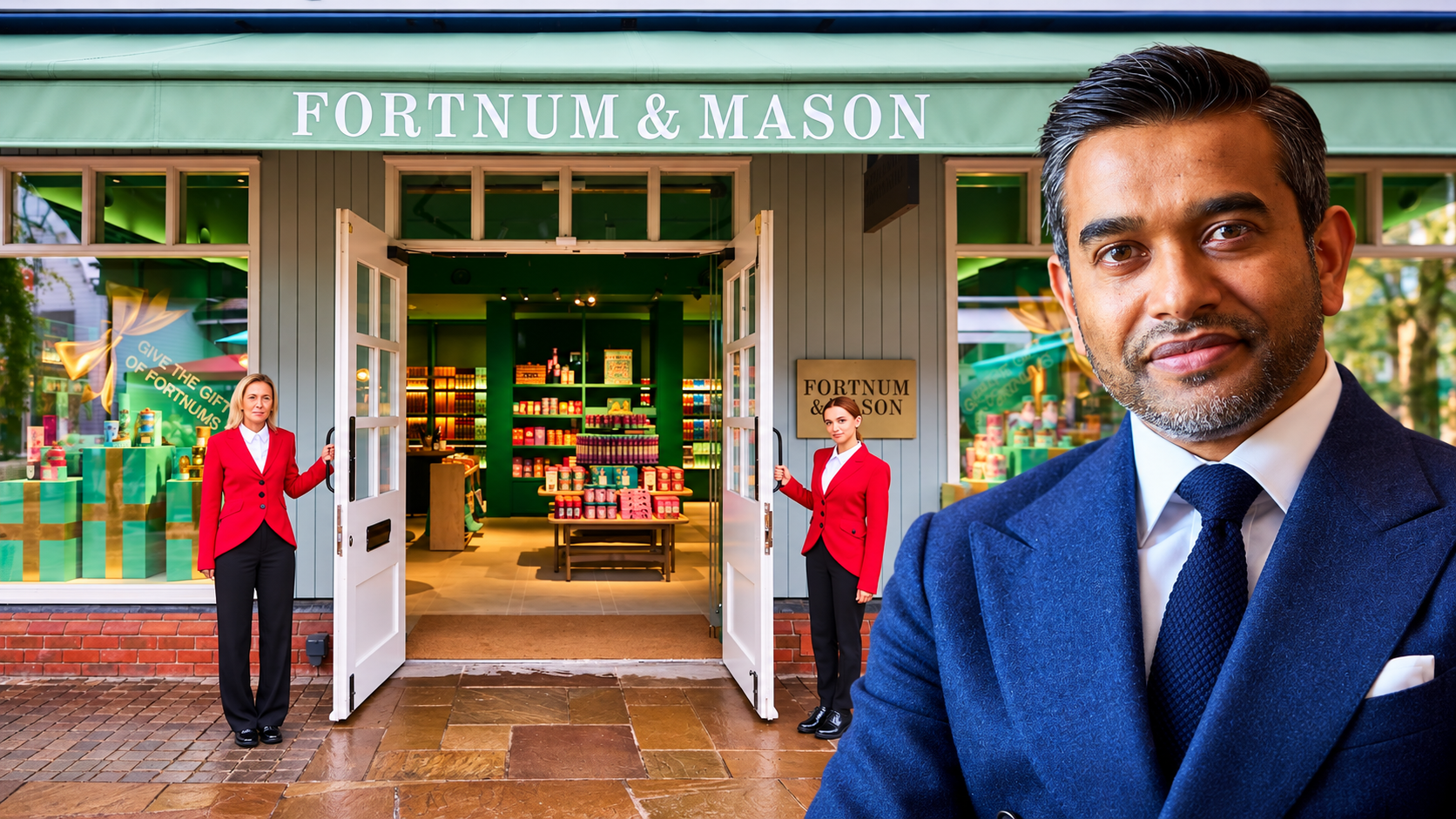
Sean Ghouse has spent three decades at the forefront of retail. The Fortnum & Mason retail director discusses empowering teams, balancing heritage with innovation and why kindness is one of the industry’s most underrated leadership skills…
Sean Ghouse’s 30-year retail career has taken him through some of the world’s most recognisable brands. But when he reflects on where it all began, he returns not to a prestigious shop floor, but to the back door of a Regent Street menswear store.
“I was a Saturday boy,” he recalls. “I did the deliveries at the back door. There is not one part of the job that my teams do now that I have not done.”
Ghouse studied law, human resources management and psychology while working part-time, but was drawn to the industry’s combination of people, product and commercial decision-making.
That enthusiasm propelled him through the Harrods executive programme, Selfridges, NikeTown London and luxury businesses including Dunhill, before he joined Fortnum & Mason almost a decade ago.
Along the way, he witnessed retail’s evolution from traditional stores to omnichannel, experience-led environments. Yet one principle has remained constant.
“For all of that change, what we love about retail is that it is a people business,” he says. “Whether it is the customer or the team, that is still where I get my buzz.”
 Giving people a voice
For Ghouse, successful retail leadership begins with recognising that the best ideas rarely come from one person. Early in his management career, he made a mistake that continues to inform his approach.
“I hired people around me who were like me,” he admits. “All I got back were the answers I thought I was going to hear.”
Today, he deliberately surrounds himself with people who challenge his thinking, bring different perspectives and identify opportunities he might otherwise miss. “I want a team, particularly my retail managers, store managers and direct leadership team, who can share their thoughts and fill in the gaps I have not thought about.”
That openness extends to the shop floor. At Fortnum & Mason, where pride in the business is part of its identity, Ghouse believes employees must feel they can influence its direction. “There should be a sense of worth and value in people’s ideas, whether you are on the shop floor or in management,” he says. “You can feed into the plan and the vision.”
Developing confident leaders is equally important. Ghouse measures management success not simply through commercial performance, but through the progress people make under their guidance. Fortnum & Mason’s purpose of “making joy”, he argues, must apply to employees as much as customers.
“I do not think anybody comes into a business wanting to do a bad job,” he says. “People have bad days and life is going on outside work, but you want it to be a place where people can bring joy to their colleagues and customers.”
Making luxury accessible
Service is central to that philosophy. “Service is the lifeblood of our business,” Ghouse says. “We spend a lot of time training and investing in our teams, whether that is product knowledge or service skills.”
In luxury retail, however, expertise must never become intimidating. He believes the strongest stores make customers feel welcome, regardless of how much they know or intend to spend.
“It does not matter what you know about the latest wines or watches,” he explains. “Everybody’s knowledge and passion started somewhere.” Rather than creating barriers, great retailers should encourage exploration.
“The responsibility we have is to say: let me tell you about it. Come and have a taste. Come over and try it.”
It’s an approach that reflects his wider belief in the enduring value of physical retail. Stores should offer more than transactions; they should create connections, build confidence and invite customers to participate. “Include people on the journey,” he says. “Help them feel part of your brand and your experience, and that passion grows.”
 Evolving a 320-year-old institution
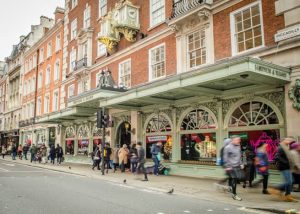
At Fortnum & Mason, innovation comes with an additional responsibility, protecting a business whose history stretches back to 1707. Ghouse sees himself not as an owner of that legacy, but as its temporary custodian.
“We are all stewards of the brand at a moment in time,” he says. “At some point, I’ll pass this on to the next person who leads the retail teams.”
His measure of success is straightforward: “Do you leave it in a better place than you found it? Do you leave your team in a better place than you found it?” That doesn’t mean preserving everything unchanged.
“It’s about keeping it fresh and current without losing the DNA of who we are,” he says. “We must constantly innovate and find new ways of bringing joy and magic to our customers.”
The newly-opened ‘Biscuitorium’, which transforms a familiar product category into an interactive experience, is a fine example of that balance. So is the Food and Drink Studio, designed for masterclasses, content creation and customer engagement.
Both build on the brand’s established strengths while giving visitors new reasons to engage.
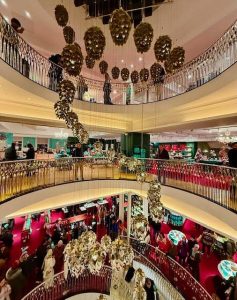
Physical improvements are essential, too. The Helix, a double-helix staircase installed in the Piccadilly store, improves movement between floors while becoming an architectural attraction in its own right.
“It has added more circulation, particularly at Christmas, but it is also a beautiful intervention,” Ghouse says. “It looks as though it has always been there.”
Christmas presents the ultimate test of operational excellence. Behind the festive spectacle lies meticulous planning, from customer movement to checkout efficiency. “How do we make it efficient without losing the Fortnum’s magic and warmth?” he asks.
Success depends on understanding different customer needs: some want a quick, purposeful visit; others come to immerse themselves in the atmosphere. “You need extraordinary service, but you also need to read the pace of the customer.”
For Ghouse, the objective is evolution without sacrificing identity. “Community, activity, warm hospitality and generosity of spirit are deeply important when you come into a physical store,” he says.
 The importance of curiosity and kindness
Beyond Fortnum & Mason, Ghouse is passionate about developing the next generation of retailers.
He credits mentoring with helping him progress, although he challenges the conventional idea that guidance must come from someone older or more senior.
Instead, he’s built relationships with people whose expertise complements his own, drawing on perspectives from hospitality, logistics, technology and beyond.
“I don’t think it’s about age or experience. It’s about experience in that particular field,” he says. “My 15-year-old son is mentoring me on various bits of technology at the moment.”
The most valuable mentoring relationships, he believes, are built on trust, curiosity and the confidence to admit what you don’t know. “The hidden secret of mentorship is being kind, being curious, making time and checking in when you see somebody struggling.”
Listening is critical.
“The right mentor probably listens to you 80 per cent of the time,” he says. “The rest is guidance tailored to what you actually need.” Those qualities are especially relevant in an industry that demands resilience, emotional intelligence and consistent customer service.
What makes an exceptional retailer?
When assessing outstanding retail achievement, Ghouse looks beyond ambitious ideas and impressive strategies.
“Execution,” he says. “It’s great to have a plan, but how did you execute it?”
He wants to understand how leaders brought colleagues with them, inspired commitment and delivered results under pressure.
Kindness and resilience matter as much as commercial performance.
“Great customer service is hard,” he says. “It is hard to come in every day, bring your A game and bring that smile when everybody has a life outside work.”
He’s particularly interested in those who step beyond their job descriptions, take ownership and contribute without waiting to be asked. “It was not your job. You didn’t have to do it. But you went out there and owned it.”
Ultimately, Ghouse believes retail offers extraordinary opportunities to people willing to learn, collaborate and challenge themselves. His own journey, from Saturday deliveries to leading the retail operation of a British institution, demonstrates that potential.
“You have to come with the right attitude,” he says. “The rest of it we can teach you. We can invest in you. I am very passionate about giving people a chance.”
And after three decades, his definition of exceptional retail remains rooted in the people who deliver it.
“Core retail skills executed brilliantly, amazing service, great teamwork, kindness and stepping outside your comfort zone,” he says. “Those are the things I am looking for.”
Click here to sign up to Retail Gazette‘s free daily email newsletter